On our way down to our house church weekend away last September we decided to spend the day at Sissinghurst
Not so much colour this time of year and the weather was dreary but the gardens were still looking good
I'll be doing this post in several parts and will start here with
the gardens
I have included some history of the place which is interesting
Vita Sackville-West and Harold Nicolson moved to Sissinghurst Castle in 1932 and started creating the now world famous garden at the heart of the estate.
However, Sissinghurst actually began life as a Saxon pig farm and within a few years had become a small moated manor house lived in by the family who shared their name with the place;
the Saxingherstes. Nothing remains of the original house today except for part of the moat.
By the late 16th century the site had been transformed by the affluent Baker family who built a magnificent Renaissance courtyard house, complete with vaulted gallery and tower at its centre.
Leased to the government during the Severn Years War
(1756-1763) Sissinghurst was used as a prison camp for 3,000 captured French sailors who largely destroyed the house.
In 1796 the Parish took out a lease on Sissinghurst Castle Farm, creating a poor house where up to 100 men were offered housing, employment and food.
By the 1800's Sissinghurst was home to the Mann Cornwallis family who repaired the remaining buildings, leaving their legacy on the tower weather vanes marked 'MC 1839'
Today Sissinghurst is also a working farm, with cattle, sheep and pigs and home to rare species of wild flowers, insects and birds.
Way into the inner courtyards
We will be going onto the roof of the tower in another post
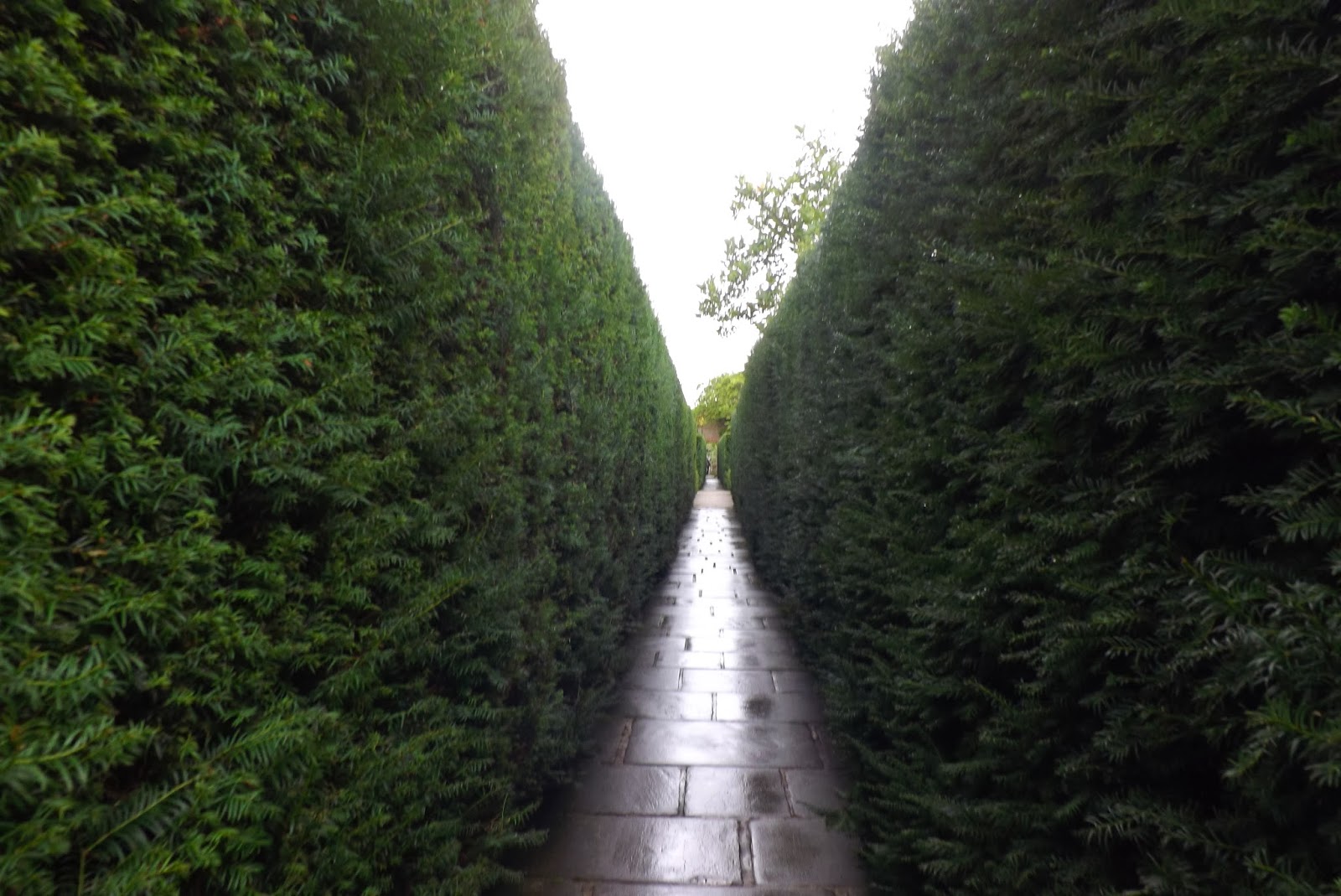
The gardens are mostly laid out in lots of different rooms set apart by deep hedges and brick walls
Boathouse on the Moat
We will go indoors in the next post
then finish with a farmer's market that was in the grounds to finish
Hope you enjoyed